

PROTEIN. Everyone’s favourite macro. Understandably. It’s useful, it’s filling, it’s a key player in the current trend of big booty culture and to be honest, it’s hard to find any downsides!
Yet how we are exposed to protein and how much we should be consuming, is interesting.
- We often only hear about high protein recipes when there’s supplements like protein powders involved, we don’t often see how we can get it from whole, real food sources.
- There are a whole culture of people telling us we are OVER consuming protein and a whole other subset of people telling us we aren’t getting enough – who’s right?!
The first point to make here, is I am in the camp of more is better – within reason. That’s because our conventional protein guidelines are outdated and we must also remember, that for us, as athletes, the standard rules don’t apply either.
The second point is that y’all know by now that I am a massive fan of real food sources where possible, but that I won’t be a little Hitler about it. There is a place for processing. But whenever anyone asks me how they can get more protein, I’ll list the real sources FIRST and the powders, shakes and bars SECOND. Each has it’s place, but as always, the focus should be on health first and that means lowering our intake of ultra-processed foods. Just because something is “high protein” or an “athletic supplement”, does not exclude it from the UPF category!
And thirdly, we all know I’m a big advocate for intentional eating. That means listening to your body’s signals in conjunction with applying knowledge about what you actually need to be a healthy human and a kick ass athlete.
So, now you know my vague stance on protein, let’s dig a little deeper and start drawing up some specific guidelines shall we?
The Right Amount of Protein
The current UK guidelines for protein intake in adults is around 0.75g/kg bodyweight per day. Honestly? That’s pants. In a society where we are only just waking up and realising how key maintaining muscle mass is as we age and in a population that is ageing and frail having followed this advice, we need to re-think this. And a lot of people in the fitness sector are.
The International Amateur Athletic Foundation released guidelines in 2019 linked to a series of review articles, one of which was aimed at protein. For athletes aiming to maintain or build muscle mass amidst rigorous training schedules, the target should be between 1.6 to 2.4 grams of protein per kilogram of body weight per day. This range is designed to support the increased demands placed on an athlete’s body, facilitating muscle repair and growth. Importantly, evidence indicates that consuming more than 2.4 grams of protein per kilogram of body weight per day does not confer additional benefits.
Now were you sit on this range will depend a lot on your individual physiology, the type of training you are undertaking, the event you are prepping for, your gender, your age and your hormonal status. Body recomposition goals may also affect this, but this is likely to be minimal. Examples of athletes who are likely to benefit from the higher end of the spectrum are menopausal and post-menopausal females, older athletes and those who are attempting to build muscle.
Real Food Sources of Protein
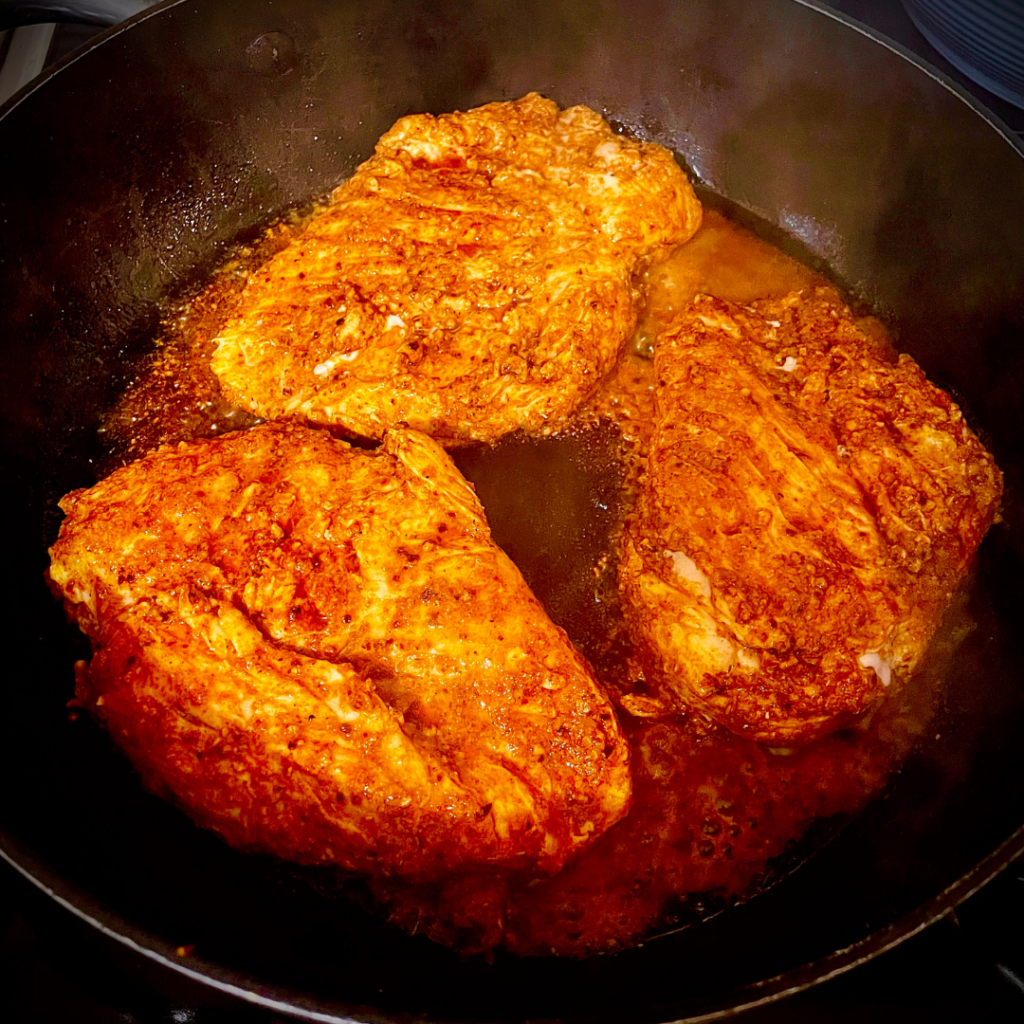
Integrating high-protein foods into your diet is essential for meeting these targets and as I said earlier, the best way to do this is spread evenly through meals and snacks throughout the day, from whole food sources, which will include other essential nutrients by virtue of the food itself and the fact you’re likely to dish it up with some other nutritious accompaniment. To give some perspective, here’s some common sources of foods along with their protein content per 100g:
- Chicken Breast (cooked): 31 grams of protein
- Turkey Breast (cooked): 29 grams of protein
- Lean Beef (cooked): 26-28 grams of protein
- Pork Loin (cooked): 25-27 grams of protein
- Salmon (cooked): 25-27 grams of protein
- Tuna (tinned in water): 23-26 grams of protein
- Eggs: 13 grams of protein (about 6 grams per egg)
- Cottage Cheese: 11-12 grams of protein
- Greek Yogurt: 10 grams of protein
- Tofu (firm): 15-18 grams of protein
- Lentils (cooked): 9 grams of protein
- Black Beans (cooked): 8-9 grams of protein
- Quinoa (cooked): 4-5 grams of protein
- Almonds: 21 grams of protein
- Peanut Butter: 25 grams of protein
Now remember, you’re not likely to eat 100g of all of these foods and calorie content may be a factor to consider. Meats will always win at the top. That’s because they are complete protein sources and basically the animal did all the work for you by digesting and processing the plant foods into muscle. We are successful omnivores as we’ve learnt that eating other animals gave us an easy way to access calories and protein without having to process plants ourselves – it’s therefore much more efficient. That doesn’t mean you CAN’T get all your protein needs from plant-based sources, but as you can see from that comparative list, it is likely to be more challenging.
But like I say, variety is everything so I’d encourage you to consider all possible whole food options when it comes to increasing your protein intake and meeting your daily requirements. It’s more fun that way too!
The Balance Between Whole Foods and Processed Proteins
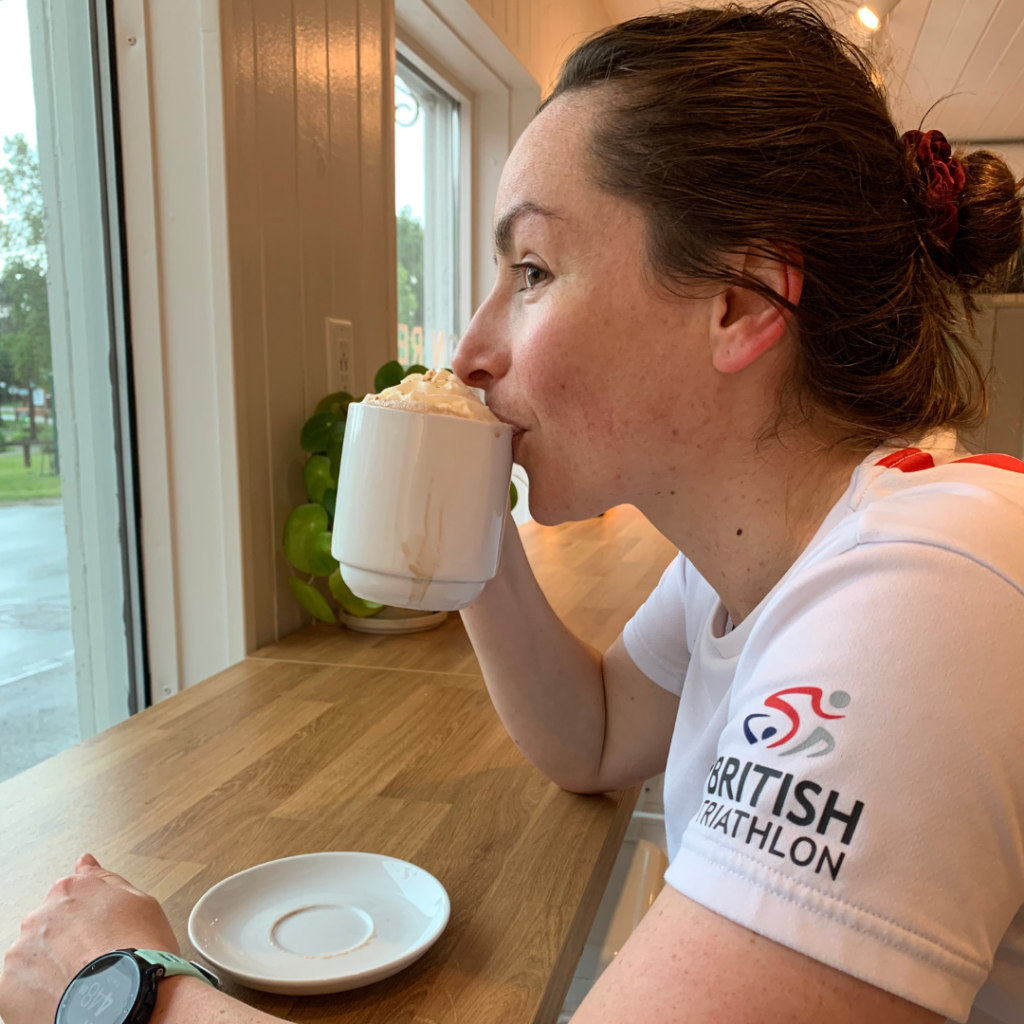
Aiming for a diet based primarily on whole food sources of protein is ideal due to the additional vitamins, minerals, and other nutrients they provide. However, the convenience and rapid absorption of processed protein sources, like whey powders, shakes, and bars, make them a valuable addition to an athlete’s nutrition arsenal, especially around workouts for quick muscle recovery support.
They can also be way more convenient – tucking into a chicken salad en route to work in the morning as a second breakfast, is likely to be a lot less appealing and a lot less easy when you’re driving from the gym to the office, than say grabbing a shake from your bag. So while I will always encourage real, whole food sources where possible, there are advantages to identifying some quick and easy processed protein sources when you need them – just don’t rely on them! Remember, they are supplements…
Again, for perspective, here’s some common UPF sources of protein that might come in handy for meeting your goals, with grams of protein per 100g of the average product:
- Whey Protein Powder: 70-90 grams of protein
- Whey concentrate and isolate are the most common forms, with isolate being higher in protein and lower in fat and lactose. Unsweetened forms are available, which is my preference to try and limit the amount of additives I’m consuming, which can upset my GI system…
- Casein Protein Powder: 70-80 grams of protein
- Casein provides a slower release of amino acids and is often used as a nighttime supplement – although remember the power of milk here instead if you can!
- Soy Protein Powder: 70-80 grams of protein
- A popular plant-based option, suitable for vegetarians and those with dairy allergies.
- Pea Protein Powder: 75-80 grams of protein
- Another plant-based option, often used by those looking for dairy-free and hypoallergenic protein sources.
- Hemp Protein Powder: 45-50 grams of protein
- Hemp protein is not only a good source of protein but also provides omega-3 and omega-6 fatty acids.
- Typical Protein Bars: 20-40 grams of protein per 100 grams
- The protein content can vary widely depending on the brand and formulation. Some bars may have higher sugar content, or contain sweeteners that can upset your gut, so it’s important to read the label.
- Protein Cookies: 10-20 grams of protein per 100 grams
- These are a more indulgent way to increase protein intake, though they may also contain more sugar and calories vs protein.
When you get “caught short” the bars and cookies can be easy to pick up on the go and are available in most supermarkets and shops these days, but the traditional unflavoured whey powders tend to be the best bang for your buck in terms of the amount of protein per volume.
Practical Guidelines for Protein Intake
To meet the recommended protein intake of 1.6 to 2.4 grams per kilogram of body weight per day, athletes should:
- Include a protein source in every meal and snack to ensure an even distribution throughout the day.
- Opt for whole foods as the primary source of protein, supplementing with processed protein products when necessary for convenience or immediate post-workout nutrition.
- Pay attention to protein intake after training, especially for those training under specific conditions like fasting or early in the morning, to support muscle recovery and growth.
If you want help identifying more ways you can maximise recovery, muscle growth and strength gains alongside nourishing yourself as a healthy human, get in touch for your FREE no obligation intro call…