
“You are human you know.”
Eurgh. My least favourite thing to hear.
It’s hard isn’t it? You know, when you’re the expert on something but you can’t get it right for yourself. Well, that’s me when it comes to fuelling and hydrating myself. Sure, I’ve got way better at it and I’ve certainly banished some of the demons that psychologically led me into bad habits in the past – and led me to do what I do today! But I still get it wrong… and actually, I think as much as I hate it, being human is what makes me a great coach. There. I said it.
My Latest Barcelona Boo-Boo
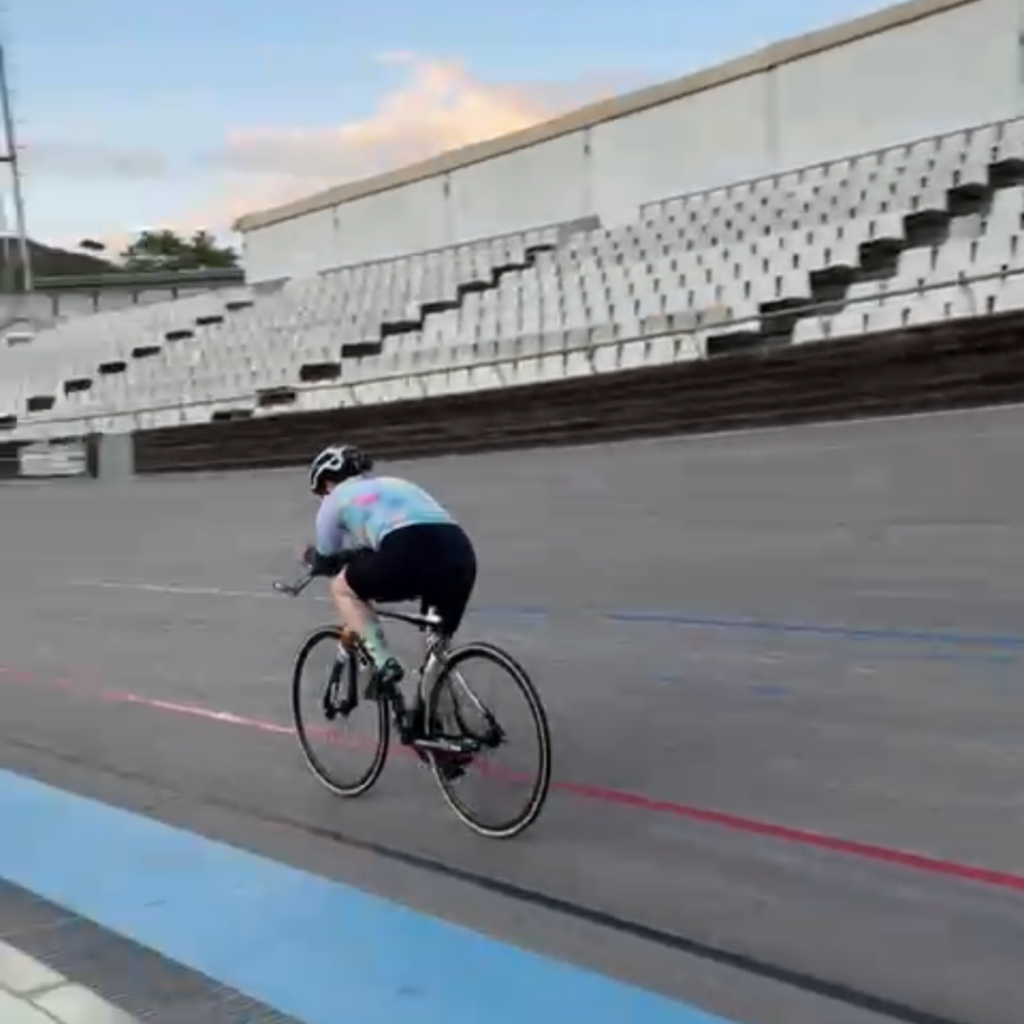
In case you’ve been in a coma for the past few weeks and you haven’t heard, I’ve been in Barcelona, the aim being to squeeze in as many hours as I could under the sun, on my bike, turning left. A beautiful, open-top velodrome on the outskirts of a culture-vulture city, where I could hang out with friends and accelerate my growth as a newborn track baby.
Unfortunately, the weather wasn’t entirely on my side and come Tuesday, the rain started. And it didn’t stop for the day. So we headed indoors to what can only be described as a workout room resembling the seventh circle of hell: A lovely selection of Wattbikes, coupled with indoor Spanish heat and a massive screen of “inspiration”, playing some of Mark Cavendish and Sir Wiggins’ finest work in the madison. It looked exciting. But the moment I got on, I suddenly realised I was dripping with sweat. It was pooling on me, on the bike, on the floor. My head had become tomato red and I hadn’t even started the workout yet. Fast forward an hour and I was laid on the floor like a dog in the heat, trying desperately to let the concrete floor dissipate some of the heat from my torso and not go blind from exhaustion.
To be fair, I’d gone into the session in not the best form, having struggled to sleep for a few nights, missed a few feeding windows and still playing at full throttle in the sunshine the previous two days. But I made sure I had my water on the watt bike and I was sipping on it often.
But I forgot it at lunchtime. And then I forgot to shove my electrolyte drink down. And then realised I was about 2L down on fluid on where I should have been…and then it started…
…like it always does. “I can’t eat. I feel sick. I’m not hungry.” Later that night, the minor gut cramps – enough to keep me awake for another night – and finally the day after next, the total wipeout I felt when my guts let everything go and I realised I had nothing left. No glycogen, no balance, nothing.
Why Plain Water Isn’t Enough

Sure, I was down on fluid, but after downing pints and pints of the stuff later in the day, why was I still suffering so much? The key is that plain water simply isn’t enough.
Water is essential, but when it comes to intense and prolonged physical activities, it alone isn’t sufficient to maintain optimal hydration. Here’s why:
- Electrolyte Balance: When we sweat, we lose not just water but also essential electrolytes like sodium, potassium, calcium, and magnesium. These electrolytes are crucial for maintaining muscle function, nerve signaling, and fluid balance. Plain water does not replenish these lost electrolytes, which can lead to an imbalance and hinder performance. Added to that, the more water you consume, the more you need the electrolytes with it to prevent washing those out too, so plain water can actually WORSEN the situation.
- Fluid Retention: Electrolytes, particularly sodium, help the body retain fluids. Without them, the water consumed may pass through the body quickly, leading to frequent urination and not enough fluid retention where it’s needed most – in the muscles and cells.
- Energy and Performance: Electrolytes play a role in energy production and utilisation. An imbalance can cause a drop in energy levels, leading to early fatigue and decreased performance during training and competition.
Electrolyte Products: Meeting Your Hydration Needs
Incorporating electrolyte products into your hydration strategy can make a significant difference. Here’s how to effectively use them:
- Choose the Right Product: There are various electrolyte supplements available, from powders and tablets to ready-to-drink solutions. Sodium is the primary culprit you need to look at replacing, but consider how much electrolyte is ACTUALLY contained in your supplement. Whenever anyone asks me, I wax lyrical about Precision Hydration (no ads, no sponsorship – but there should be right?!). That’s because they’re one of the only companies I’ve found who will not only pair you up with products that meet your individual needs (you can book sweat testing and consultations with them which I would definitely recommend for endurance athletes), but also produce supplements with a high enough level of electrolyte replacement, compared with some of the tablets on the market which do little to nothing for most athletes. It is also handy to know that a very small amount of carbohydrate (think negligible in terms of fuelling your effort) can actually help absorption of your product, so consider this vs sweeteners in supplements.
- Timing and Dosage: Use electrolyte products before, during, and after training sessions. Before a long session, ensure your electrolyte levels are topped up. During the session, sip on an electrolyte-infused drink to maintain balance. Post-training, replenish your stores to aid recovery. Again, you can get a full hydration plan when you consult a professional and talk about your individual situation and consider where whole foods and water play a role so you’re not sinking all your pocket money into supplements when you don’t need them.
- Listen to Your Body: Pay attention to signs of dehydration and electrolyte imbalance, such as excessive thirst, muscle cramps, dizziness, or fatigue. Adjust your intake based on these signals and the intensity and duration of your activity and make sure you’re always learning and paying attention to how things feel before, during and after different sessions in different environments (e.g. humidity, cold, hot, indoor vs outdoor).
Less Obvious Symptoms and Consequences of Dehydration
It’s only in the last couple of years with the help of some objective input that I’ve been able to identify the early warning signs of dehydration and actually make sense of some of the things I used to feel so commonly after racing and intense training sessions. Now, I can recognise the symptoms pretty well if I get it wrong.
- Reduced Appetite: Dehydration can lead to a diminished sense of hunger, making it challenging to consume enough calories and nutrients needed for recovery and performance. The lack of appetite can sometimes be confused with illness, making you think you’ve contracted disease when in fact, you’ve just knocked your fluid and electrolyte balance out.
- Cognitive Impairment: Even mild dehydration can affect cognitive function, leading to poor decision-making, decreased concentration, and slower reaction times. So when you’re feeling a bit sluggish and foggy, have a quick moment of reflection and just ask if it could be what you have – or rather haven’t – drunk in the past 24 hours…
- Increased Injury Risk: Dehydration can reduce joint lubrication and muscle elasticity, increasing the risk of strains, sprains, and other injuries. That means if you can identify when you’re dehydrated, you can take appropriate steps to prevent these silly, preventable injuries. It can also help you make sense of why you’ve tweaked that hamstring or twanged a glute when really you shouldn’t have.
- Digestive Issues: Insufficient hydration can slow down digestive processes, leading to issues like constipation, but the electrolyte disturbance can also have the opposite effect. Again, this can be confused with disease, or perhaps just be confused with general symptoms of exertion, meaning people just “suck them up” as a consequence of intense training and racing – it doesn’t necessarily have to be this way!
- Mood Swings: Hydration levels can influence mood. Dehydration can lead to irritability, anxiety, and a general sense of discomfort, impacting motivation and mental resilience. Again, if you’re feeling generally uncomfortable or anxious, move to ask yourself what the hydration looks like for the last day or so.